
Why Does My Car Vibrate When I Brake?
Your vehicle’s braking system is the most important safety system in your vehicle, responsible for generating the required friction to bring your vehicle to a controlled stop. If you notice unusual vibrations after braking, it can be concerning knowing this critical system is experiencing issues. In this article, we will cover how the brake system works, why these vibrations happen, and how to further protect your brakes to prevent these symptoms down the line.
How Do Brakes Work?
Before we go over the main cause of brake vibrations, let’s start with the components and their functions that make up the brake system.
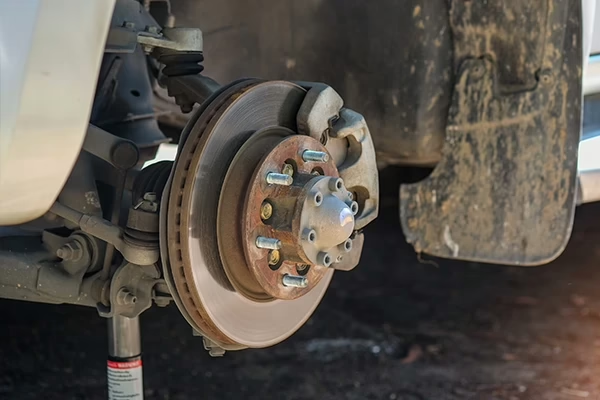
Most modern vehicles use a disc brake system, which includes a large metal rotor, a hydraulic caliper, and an abrasive brake pad on each wheel. When you apply the brakes, pressure is delivered, either electrically or hydraulically, to the calipers, which press the pads firmly against the rotors. This creates friction that slows the rotation of each wheel.
Why Are My Brakes Causing Vibrations
Vibrations caused by brake issues are the most common sign that your vehicle’s rotors have been warped. The constant friction during braking builds up thermal energy within the metal rotors, which in some cases may cause the entire rotor to warp or deform slightly. While the surface material of the rotor may still be intact, a warped rotor will cause the brake pads to “hop” along the rotors as they press against the uneven surface. These instantaneous impacts of the pad against the rotor can cause the vibrations you feel throughout the vehicle while braking.
Can I Drive With Warped Rotors?
It’s typically not in your best interest to drive with warped rotors, as the reduced surface area for friction may lead to reduced braking performance, unpredictable braking force, increased wear of other components, and even the complete failure of the rotor in severe cases.
If you suspect your brake rotors are warped, it’s crucial that you have your brake system inspected and repaired as soon as possible to avoid potential brake failures and unsafe circumstances down the line.
How to Prevent Warped Rotors
There are a few steps you can take to protect your brake rotors from warping.
Good Braking Habits
It’s important to follow good braking habits when driving, including slowing down gradually to avoid putting excess strain and heat on the rotors, as overheating is the primary cause of warped rotors.
Regular Brake Maintenance
Staying on top of your brake maintenance schedule also plays a crucial part in keeping your rotors healthy. Having your brake fluid replaced will ensure your brake calipers, and by extension the pads and rotors, will always receive the proper pressure for safe braking.
While rotors are built to last, it’s a good idea to have yours swapped out along with the pads between every 35,000-60,000 miles. The exact interval will vary based on the type of brake components, driving habits, and the surrounding weather.
Brake Repair in Toledo, OH
Don’t risk driving with worn or failing brakes. If you’re experiencing issues with your vehicle’s braking system, trust the team at Toledo Auto Care for advanced diagnostics and quality repair! Whether you need a simple pad replacement or a full brake system overhaul, our team of ASE-certified technicians is prepped with the knowledge and expertise to properly service your vehicle’s braking system. Schedule your brake repair or service at Toledo Tire and Auto Care today!